
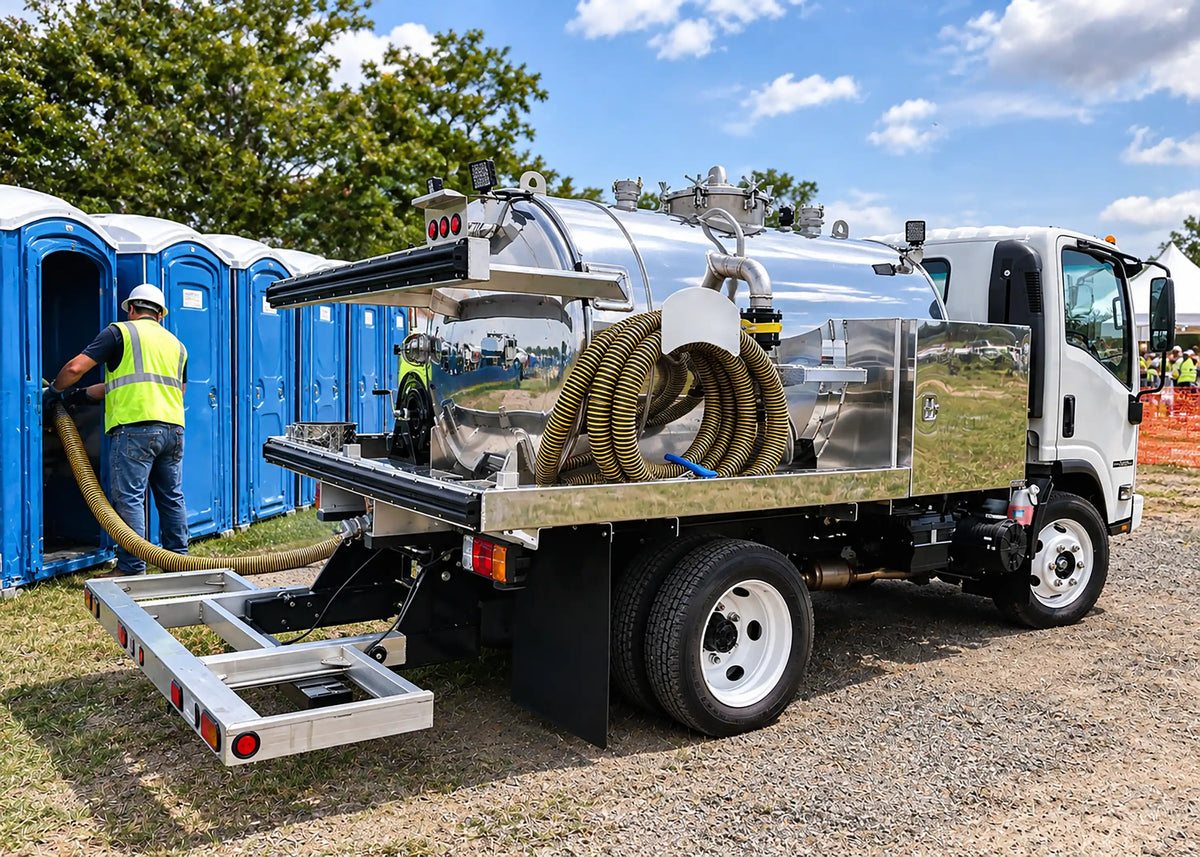
A reliable portable restroom service truck is essential to running an efficient portable sanitation business. From removing wastewater and replenishing freshwater to cleaning portable toilets across construction sites, special events, and commercial properties, these specialized vehicles perform demanding work every day.
Proper portable restroom truck maintenance helps prevent unexpected breakdowns, maintain sanitation standards, reduce operating costs, and extend the service life of your equipment.
Unlike standard commercial trucks, portable restroom service trucks combine conventional chassis components with specialized sanitation equipment, including vacuum pumps, wastewater holding tanks, freshwater systems, suction hoses, valves, and washdown assemblies. Each system requires regular attention to keep the entire truck operating efficiently.
Whether you’re operating a single portable toilet service truck or manage a growing fleet of PRTs, establishing a consistent preventive maintenance program is one of the best ways to protect your investment and keep your service routes on schedule.
This guide covers the essential daily, weekly, monthly, and seasonal maintenance practices every portable sanitation operator should understand.
Portable Restroom Truck Maintenance Checklist
The most effective maintenance programs combine routine driver inspections with scheduled equipment servicing.
The following PRT maintenance checklist provides a practical starting point, and general best-practices. Actual maintenance intervals should always follow your specific truck chassis, vacuum pump, water pump, and equipment manufacturers' recommendations.
Daily Portable Restroom Truck Maintenance
Perform a pre-trip inspection before every service route. Pay particular attention to equipment that could interrupt waste removal, water delivery, or safe vehicle operation.
Daily inspection checklist:
-
Check engine oil, coolant, brake fluid, etc.
-
Inspect tires for proper inflation, tread wear, and visible damage
-
Test headlights, brake lights, turn signals, work lights, and warning systems
-
Verify that the vacuum pump starts and operates normally
-
Check suction hoses for cracks, leaks, abrasion, and damaged couplings
-
Inspect wastewater tank fittings, freshwater connections, and discharge valves
-
Verify wastewater and freshwater levels
-
Test freshwater pumps, spray wands, and washdown equipment
-
Inspect hose reels, guides, and storage restraints
-
Look for leaks around tanks, pumps, hoses, and plumbing connections
-
Check chemical containers for proper labeling and secure storage
-
Confirm that required PPE and spill-response supplies are available
-
Check for unusual dashboard warnings, noises, or vibrations
-
Verify fuel levels and confirm that the truck interior is ready for the day's workload
Operator Tip: Pay attention to changes in pump sound, suction performance, and operating temperature. Drivers often recognize developing mechanical problems before they become obvious during a scheduled inspection. Document these observations so maintenance techs can investigate them promptly.
Weekly Portable Restroom Truck Maintenance
Weekly maintenance should focus on cleaning, wear components, and the specialized systems used repeatedly throughout the workweek.
Weekly inspection checklist:
-
Clean wastewater tank surfaces and service connections using approved procedures
-
Inspect tanks for corrosion, residue buildup, and visible damage
-
Clean freshwater tanks and plumbing components
-
Inspect pump filters and strainers for restrictions
-
Check suction hose couplings, clamps, gaskets, and seals
-
Inspect hose reels and verify smooth operation
-
Check vacuum pump oil condition and service requirements
-
Inspect belts and other drive components where equipped
-
Examine battery terminals and electrical connections
-
Test tank level indicators, pressure gauges, and system controls.
-
Check valves and fittings for leaks
-
Flush service lines and washdown systems as required
-
Inspect storage compartments for chemical spills and unsecured equipment
-
Check steps, grab handles, and operator work surfaces
Weekly cleaning is especially important for odor control. Waste residue around tank connections, hoses, and discharge components can contribute to persistent odors while making leaks and equipment deterioration harder to identify.
Monthly Portable Restroom Truck Maintenance
Monthly inspections should include a more detailed assessment of the chassis, sanitation equipment, and structural components.
Monthly inspection checklist:
-
Inspect brakes and investigate any reported braking concerns.
-
Examine suspension components, springs, shocks, and mounting hardware.
-
Inspect tank mounts, frame attachments, and structural supports.
-
Service vacuum pumps according to manufacturer recommendations.
-
Inspect vacuum regulators, relief valves, and pressure protection devices.
-
Verify tank level sensors and monitoring systems.
-
Examine electrical wiring, switches, control panels, and connections.
-
Investigate recurring dashboard warnings.
-
Inspect PTO and hydraulic components where equipped.
-
Examine discharge valves, seals, and hose connections.
-
Check body panels, toolboxes, and equipment mounting hardware.
-
Look for corrosion, cracks, or unusual wear around structural connections.
-
Review maintenance records for recurring problems.
Documenting these inspections is just as important as performing them.
Maintenance records help business owners/fleet managers identify recurring failures, schedule component replacements, monitor repair costs, and determine when a truck may need additional attention.
For example, repeated hose failures could indicate improper storage, excessive abrasion, or an incorrect hose spec. Recurring vacuum pump issues may suggest inadequate maintenance or a system that’s not properly matched to its operating demands.
Critical PRT Components That Require Regular Maintenance

A portable restroom service truck depends on several interconnected systems. Maintaining the chassis alone isn't enough. The truck's specialized sanitation equipment and vacuum systems must also receive regular inspection and servicing.
1. Vacuum Pump and Wastewater Tank
The vacuum pump is one of the most important components of a portable restroom truck. It generates the suction required to remove waste from portable toilets and transfer it into the wastewater holding tank.
When vacuum performance declines, crews may spend more time servicing individual units, routes can fall behind schedule, and equipment failures become more likely.
Monitor the following:
- Changes in suction performance
- Unusual pump noises or excessive vibration
- Abnormal operating temperatures
- Pump oil level and condition, where applicable
- Air leaks around fittings and connections
- Restricted filters or strainers
- Vacuum regulator and relief valve operation
- Changes in normal operating time
Always follow the specific vacuum pump manufacturer's recommended lubrication, oil-change, inspection, and service intervals. Different pump models have different operating requirements.
Wastewater tank maintenance is equally important.
Inspect the tank walls, seams, mounting brackets, inlet and outlet connections, discharge valves, access covers, and seals.
Look for any corrosion, leaks, structural damage, or unusual deformation; address any suspected tank damage before returning the truck to service.
Operators should also monitor tank loading carefully. Understand the usable wastewater capacity, account for onboard freshwater and equipment weight, and never exceed the truck's weight ratings or legal limits.
2. Suction Hoses, Valves, and Connections
Suction hoses experience constant handling, bending, abrasion, and exposure to both wastewater and cleaning chemicals.
These conditions make hoses, couplings, clamps, gaskets, and seals some of the most important wear components on a portable toilet service truck.
Inspect hoses for:
- Cracks and punctures
- Abrasion or thinning
- Damaged hose ends
- Loose or corroded couplings
- Reduced flexibility
- Kinks and restrictions
- Internal residue buildup
- Leaking connection points
Inspect valves, clamps, and seals for proper operation and signs of deterioration.
A damaged hose can cause reduced suction, wastewater leaks, sanitation concerns, and unexpected route interruptions.
Replacing worn hoses and inexpensive connection components before they fail is generally far less disruptive than dealing with an emergency repair in the middle of a busy service day.
3. Freshwater Pumps and Washdown Systems
Freshwater systems are essential for cleaning and replenishing portable toilets during service.
A poorly functioning water system can leave units inadequately cleaned, increase service time, and create customer complaints.
Inspect:
- Freshwater pumps and plumbing
- Water filters and strainers
- Spray wands and nozzles
- Pressure gauges
- Water lines and fittings
- Freshwater tank connections
- Washdown valves and controls
If water pressure decreases, inspect the full system before replacing components. A simple clogged filter, restricted line, damaged nozzle, or air leak may be the culprit.
Regular freshwater system maintenance helps crews deliver consistent cleaning performance throughout the route.
4. Hose Reels, PTO Systems, and Electrical Components
Supporting equipment also contributes to overall daily productivity, and needs similar maintenance attention.
Pay attention to:
- Hose reels and reel motors
- PTO engagement and driveline components
- Electrical panels and switches
- Wiring harnesses and connectors
- Tank level sensors
- Pressure gauges and monitoring systems
- Work lights and warning equipment
- Equipment restraints and storage compartments
For PTO-driven equipment, follow the specific chassis and equipment manufacturers' inspection and lubrication recommendations.
Inspect electrical connections for corrosion, loose terminals, damaged insulation, and intermittent operation. A faulty gauge or control system can create unnecessary delays and make it harder for operators to monitor primary equipment properly.
Common Portable Restroom Truck Problems and How to Prevent Them
Recognizing early warning signs is an important part of preventive maintenance.
The following problems can affect route productivity, service quality, and your equipment’s overall reliability.
Loss of Vacuum or Reduced Suction
Reduced suction can result from:
- Worn or improperly maintained vacuum pumps.
- Air leaks at hose connections.
- Damaged seals and gaskets.
- Blocked suction hoses.
- Restricted filters.
- Incorrect valve positions.
- Faulty vacuum regulators.
If the truck takes noticeably longer to evacuate portable toilets, investigate the problem rather than allowing the performance decline to continue.
A gradual loss of suction is often easier to diagnose and correct than a complete pump failure during a service route.
Persistent Odors
Persistent odors may indicate wastewater residue, inadequate tank cleaning, leaking seals, poor drainage, or insufficient washdown performance.
To reduce odor problems:
- Clean tanks and service equipment at appropriate intervals
- Flush lines according to equipment recommendations
- Inspect seals and connections for leaks
- Keep hoses and fittings clean
- Follow proper wastewater disposal procedures
- Use appropriate treatment products according to their instructions
- Maintain consistent cleaning procedures across your service crews
Additional deodorizing chemicals should not be used as a substitute for identifying the underlying cause of persistent odors.
Weak Freshwater Pressure
Inconsistent water pressure can affect the quality and speed of portable toilet cleaning.
Common causes include clogged filters, worn pumps, restricted plumbing, leaking fittings, damaged nozzles, and improperly functioning valves.
Inspect the complete freshwater system to identify the actual problem before replacing individual components.
Electrical and Control System Failures
Electrical problems can affect tank monitoring, pump controls, lighting, and other important equipment; thoroughly inspect wiring, battery connections, switches, fuses, and control panels at regular intervals.
Never ignore any recurring warning lights or unreliable tank indicators — it's always best to investigate the underlying issue and repair faulty equipment before it creates a larger problem down the road.
Seasonal Portable Restroom Truck Maintenance
Weather conditions can significantly affect the performance and service life of portable sanitation equipment. Seasonal inspections can help protect vulnerable components and prepare trucks for the changing operating conditions.
Winter Maintenance and Freeze Protection
Freezing temperatures can wreak havoc on freshwater tanks, pumps, plumbing, valves, and exterior washdown systems. As water expands when it freezes, it can crack fittings and damage critical PRT components.
Before cold weather arrives:
-
Winterize freshwater lines and pumps according to manufacturer recommendations
-
Drain or protect vulnerable plumbing components as specified
-
Inspect tanks, valves, and fittings for freeze-related damage
-
Check battery condition and charging performance
-
Inspect tires and monitor pressure
-
Verify cab heating and defrost systems
-
Inspect compartment seals and latches
-
Check exterior hoses for brittleness and cracking
-
Confirm optional heated compartments and water systems operate properly
Operator tip: Establish a thorough winterization procedure, and prep before the first hard freeze. Make sure every driver understands which systems require draining, protection, or additional attention at the end of each shift.
For year-round operations in colder climates, consider upgrades like heated freshwater systems and heated equipment compartments when configuring a new portable restroom service truck. These features can help protect vulnerable equipment and reduce cold-weather service interruptions.
Summer Maintenance and High-Temperature Operation
Hot weather also creates additional demands on engines, pumps, hoses, and PRT sanitation systems.
Warm temperatures can accelerate hose deterioration, increase thermal build-up on vacuum pumps, stress chassis cooling systems, and make odor control more challenging.
During summer operations:
-
Monitor engine cooling system performance.
-
Inspect coolant levels and hoses.
-
Watch vacuum pump operating temperatures.
-
Check freshwater pumps and plumbing.
-
Inspect hoses for heat-related deterioration.
-
Clean tanks and equipment consistently.
-
Monitor wastewater levels and disposal schedules.
-
Verify air conditioning performance for operator comfort.
During peak service seasons, reliable washdown equipment and consistent tank cleaning become especially important.
Spring and Fall Preventive Maintenance
Seasonal transitions are good opportunities to schedule more comprehensive inspections.
Consider:
-
Chassis and drivetrain inspections.
-
Vacuum pump servicing.
-
Tank and structural inspections.
-
Hose and valve replacement.
-
Electrical system testing.
-
Freshwater system cleaning.
-
Corrosion inspections.
-
Maintenance record reviews.
Scheduling these inspections before peak operating periods can help reduce unexpected downtime when service demand increases.
Why Preventive Maintenance Matters for Portable Sanitation Businesses
Preventive maintenance is about more than keeping a truck running. It directly affects customer service, sanitation quality, operating expenses, and the long-term ROI of your equipment.
Maintain Sanitation Standards
Portable sanitation companies are responsible for providing clean, dependable restroom services.
Properly maintained vacuum pumps, wastewater tanks, suction hoses, and freshwater systems help crews complete waste removal and cleaning tasks effectively.
Routine inspections also help identify leaks, damaged connections, and equipment problems that could compromise service quality.
Reduce Downtime and Operating Costs
An unexpected truck breakdown can disrupt an entire service route.
Missed stops, emergency repairs, additional labor, overtime, and customer complaints can quickly increase operating expenses.
For companies operating multiple trucks, one disabled vehicle may require dispatchers to reorganize routes and redistribute work.
A consistent maintenance program helps identify problems earlier and schedule repairs around planned downtime.
Support Regulatory and Workplace Safety Requirements
Portable sanitation businesses must understand and adhere to the regulations that apply to their operation.
Depending on the service territory and business model, these can include specific wastewater disposal requirements, commercial vehicle regulations, environmental requirements, and OSHA workplace safety standards.
Some relevant industry resources include:
-
OSHA's 29 CFR 1926.51 sanitation standard, which addresses specific sanitation requirements relevant to servicing construction jobsites.
-
The Portable Sanitation Association International (PSAI), also provides detailed information on applicable OSHA standards, ANSI/PSAI standards, ADA considerations, EPA resources, and DOT regulatory requirements.
A thorough and well-documented maintenance program helps support general responsible PRT fleet management, but it doesn’t replace proper understanding and compliance with all regulatory procedures.
How to Improve Portable Restroom Service Truck Efficiency
The right equipment and a consistent maintenance program provide a strong foundation for an efficient portable sanitation business.
However, route planning, truck capacity, and driver training also influence daily productivity.
Match Truck Capacity to Your Service Routes
Wastewater and freshwater capacity determine how much work a truck can complete before returning for disposal or replenishment.
A truck with insufficient capacity may require additional disposal stops, increasing fuel consumption, labor hours, and route time.
When evaluating a portable restroom service truck, consider:
- Average number of portable toilets serviced per day.
- Typical wastewater volume collected per route.
- Freshwater requirements per service stop.
- Distance between customer locations.
- Distance to approved wastewater disposal facilities.
- Road conditions and site accessibility.
- Seasonal demand.
- Expected business growth.
The objective is to select a configuration that supports your workload without exceeding legal payload limits or creating unnecessary operating expenses.
Maintain Accurate Fleet Records
Every truck should have an individual maintenance history.
Record:
- Inspection dates.
- Vacuum pump servicing.
- Repairs and parts replacements.
- Hose and valve replacements.
- Electrical and plumbing issues.
- Recurring performance problems.
- Seasonal maintenance.
- Scheduled service intervals.
These records help fleet managers identify trends, plan replacement schedules, and make better equipment purchasing decisions.
Train Drivers to Protect Equipment Long-Term
Drivers are often the first to notice changes in equipment performance, and the first line of defense against more costly mid-route breakdowns.
Provide training on:
- Pre-trip and post-trip inspections.
- Proper vacuum pump operation.
- Hose handling and storage.
- Tank filling and unloading procedures.
- Valve operation.
- Chemical handling and storage.
- Spill response.
- Equipment shutdown.
- End-of-day cleaning.
- Cold-weather preparation.
Consistent operating practices will help reduce unnecessary equipment wear and improve overall service reliability.
Arkson Truck Co. Portable Restroom Trucks
 Preventive maintenance can extend equipment life, but long-term reliability starts with selecting a quality truck that’s built for the demands of portable toilet service work.
At Arkson Truck Co., we understand that a portable restroom truck is one of the most important investments a portable sanitation service company will make.
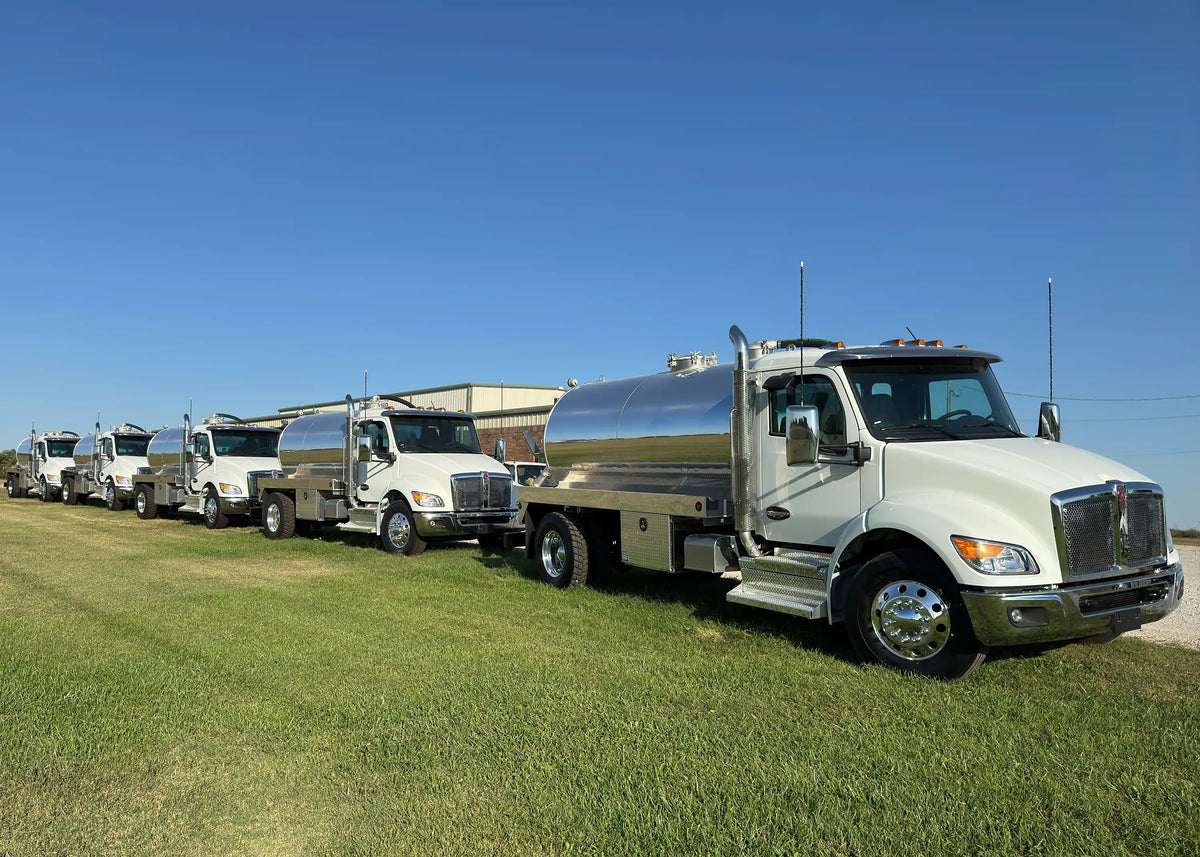
That’s why we build purpose-designed PRTs in configurations intended to support different service volumes, route conditions, and operating requirements.
Our standard PRT builds include both 999-gallon and 2,000-gallon nominal configurations.
999-Gallon Portable Restroom Trucks
Designed for operators who prioritize maneuverability and practical service capacity, our 999-gallon configurations feature:
- 600 gallons of wastewater capacity
- 299 gallons of freshwater capacity
- Ford F-550, Ram 5500, or Isuzu NPR-HD chassis options, depending on configuration
- Masport HD-3 or HD-4 vacuum pump options
- Equipment for daily portable toilet pumping and servicing
These trucks can be a great fit for smaller service routes, portable sanitation start-ups, or operators who need a more compact vehicle for tighter access work.
2,000-Gallon Portable Restroom Trucks
For higher-volume portable sanitation operations, our 2,000-gallon configurations feature:
- 1,500 gallons of wastewater capacity
- 500 gallons of freshwater capacity
- Mack MD6, Freightliner M2-106, International MV-607, Kenworth T-280, Peterbilt 536, or Isuzu FTR chassis options, depending on configuration
- Vacuum pump options from Battioni, NVE, and Masport
- Equipment designed for daily pumping, cleaning, and portable restroom servicing
Depending on the specific build, both configurations can also include:
- Dual suction stations
- Freshwater fill systems
- Washdown pumps
- Side discharge
- Storage compartments
- Portable toilet carriers
- Heated freshwater systems
- Heated toolboxes
- LED lighting
- Backup cameras
Explore Arkson Truck Co.'s Portable Restroom Trucks today to compare available configurations, or inquire about a fully custom-built PRT designed to your exact specifications.
Whether you're starting a portable toilet rental business, replacing an aging truck, or expanding an established service fleet, our team can help you evaluate chassis options, tank capacities, vacuum pump systems, and equipment features.
Frequently Asked Questions About Portable Restroom Truck Maintenance
How often should a portable restroom truck be inspected?
A portable restroom truck should receive a standard pre-trip inspection every day it operates. Weekly and monthly inspections should cover all specialized sanitation equipment, chassis components, hoses, valves, and supporting systems. Be sure to follow chassis and component manufacturer recommendations for specific service intervals as well.
What's the most important component to maintain on a portable restroom truck?
The vacuum pump is one of the most critical components because it directly affects waste removal and service productivity. However, wastewater tanks, suction hoses, valves, freshwater pumps, and washdown systems are equally important to reliable operation.
How often should a portable restroom truck vacuum pump be serviced?
Vacuum pump maintenance intervals depend on the manufacturer, pump model, operating hours, and working conditions. Follow the manufacturer's recommendations for oil checks, lubrication, filter inspections, and scheduled servicing.
How can operators prevent odors in portable restroom service trucks?
Regular tank cleaning, appropriate line flushing, proper wastewater disposal, clean hoses, and routine seal inspections help prevent persistent odors. Investigate leaks and residue buildup rather than relying exclusively on additional deodorizing chemicals.
Why do portable restroom truck hoses need frequent inspection?
Suction hoses experience repeated bending, handling, abrasion, and exposure to wastewater and chemicals. These conditions can cause cracking, thinning, leaks, and damaged connections. Regular inspections help identify problems before they interrupt service.
How do you winterize a portable restroom service truck?
Winterization typically involves protecting or draining freshwater tanks, pumps, plumbing lines, valves, and spray systems (according to the manufacturer's instructions). Operators should also inspect batteries, tires, heating systems, and exterior hoses before freezing temperatures arrive.
What should I consider when buying a portable restroom service truck?
Evaluate your daily service volume, wastewater capacity, freshwater requirements, route distances, disposal locations, chassis ratings, vacuum pump specifications, and equipment accessibility. Select a quality-built from a reputable vocational truck builder, and a configuration that supports your actual workloads as well as future operating plans.
Is a larger portable restroom truck always better?
No. A larger truck may reduce disposal stops on high-volume routes, but it also involves a greater initial investment and potentially different licensing & operating requirements. The best PRT configuration is matched to the service volume, route accessibility, payload limits, disposal distances, and growth expectations.
Keep Your Portable Restroom Business Running with Arkson
Reliable portable sanitation operations start with dependable equipment and a consistent preventive maintenance program.
By inspecting your truck regularly, maintaining vacuum pumps and freshwater systems, monitoring tank conditions, replacing worn hoses and valves, and preparing for seasonal operating conditions, you can reduce downtime and protect your investment.
For established operators, these practices help improve route efficiency, maintain customer satisfaction, and extend the useful life of your PRT fleet.
For entrepreneurs entering the portable toilet rental and servicing industry, understanding maintenance requirements is equally important when evaluating equipment and planning long-term operating expenses.
At Arkson Truck Co., we build portable restroom service trucks around the practical demands of the portable sanitation industry. From chassis selection and tank capacity to vacuum pump systems and operator-friendly equipment features, our team can help you find the right configuration for your business.
Looking for a portable restroom truck that works as hard as you do?
Explore our portable restroom trucks or contact Arkson Truck Co. today to discuss your next truck build.
Your truck should solve your problems, not be the problem.
Share:
Best Place to Buy a Septic Truck: What Every Operator Should Know Before Investing