
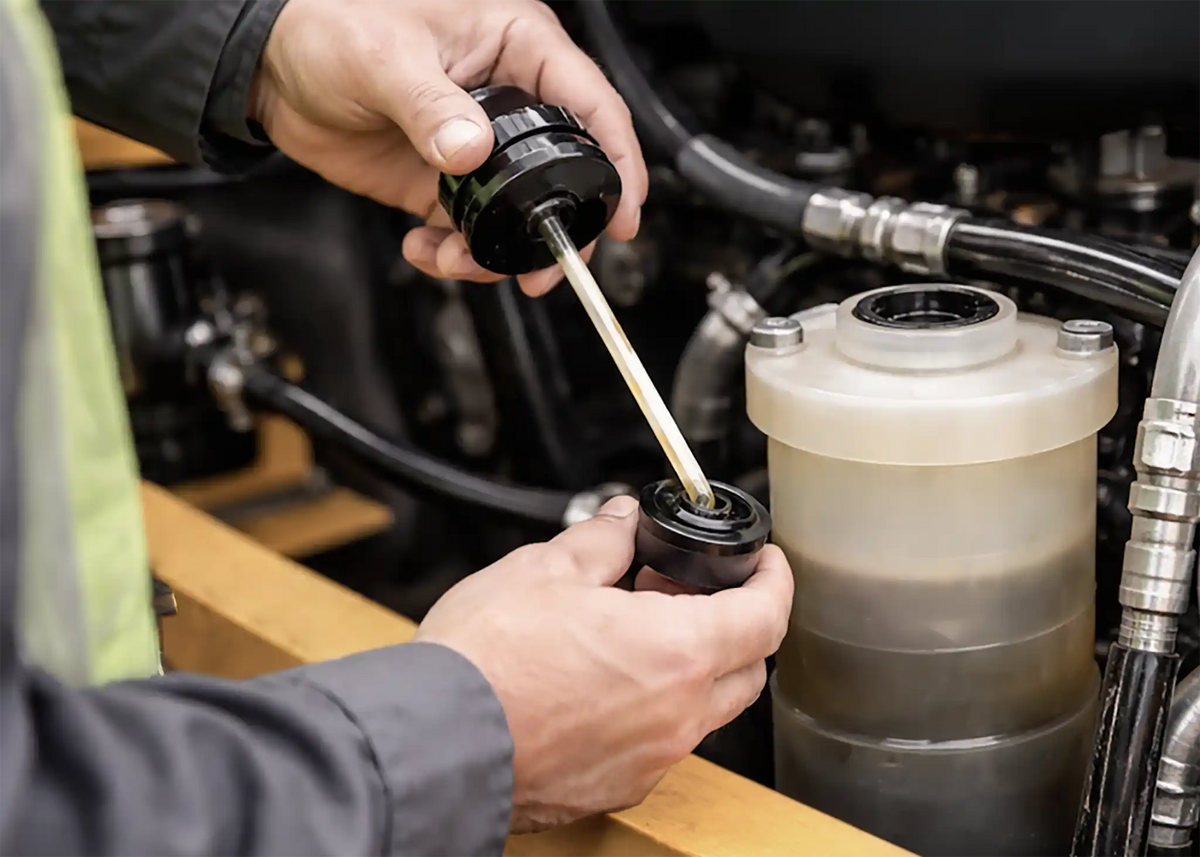
Hydraulic systems are the muscle behind many vocational trucks. Grapple trucks, vacuum trucks, hooklift trucks, roll-off trucks, dump bodies, PTO-driven equipment, and other truck-mounted systems depend on clean hydraulic fluid to generate reliable pressure, control heat, lubricate components, and transfer power.
As one of the nation’s premier vocational truck builders, Arkson Truck Co has a simple mantra: hydraulic fluid maintenance is mission-critical contamination control. Dirty oil, water, air, excessive heat, incorrect viscosity, and poor service practices can turn a healthy hydraulic system into an expensive and time-intensive repair.
Modern hydraulic components have tight internal clearances, making cleanliness increasingly important. Contamination can accelerate wear in pumps, valves, motors, cylinders, and other precision components.
So in this guide, we’ll walk through our top 10 tips for keeping your truck’s Hydraulic System up-to-speed and properly serviced.
1. Use the Correct Hydraulic Fluid
Always start with the hydraulic fluid specification recommended by the equipment or component manufacturer.
Don't select oil based solely on the label simply saying “hydraulic fluid.” The system may require a particular viscosity grade, additive package, anti-wear performance, or temperature range.
Using the wrong viscosity can cause problems such as sluggish operation when cold, excessive leakage when hot, poor lubrication, or increased system temperatures.
Also, avoid casually mixing hydraulic fluids. Different additive packages may be incompatible and can affect fluid performance.
Service-tech tip: Religiously record the exact fluid brand, product, viscosity, and specification used in each truck. This prevents accidental mixing during future top-offs.
2. Don't Assume New Hydraulic Oil Is Clean
One of the most common maintenance mistakes is assuming fresh oil is automatically clean enough for a hydraulic system.
That’s not necessarily always the case.
Even new hydraulic fluid can arrive with contamination levels above what many hydraulic systems require. Filtering new fluid before it enters the reservoir is a valuable contamination-control practice.
Use a dedicated filter-transfer pump or offline filtration/kidney-loop system when practical instead of pouring oil directly from a dirty container into the reservoir.
Keep transfer equipment dedicated to the correct fluid type to avoid cross-contamination.
3. Keep Hydraulic Fluid Clean During Service
Most contamination problems occur during maintenance.
Before opening a hydraulic reservoir, filter housing, hose, valve, pump, or cylinder connection:
- Clean the surrounding area.
- Clean fittings before disconnecting them.
- Cap or plug open hoses and ports.
- Always use clean containers and funnels.
- Never leave hydraulic lines open unnecessarily.
- Avoid shop rags that can shed fibers.
- Keep replacement components sealed until installation.
A hydraulic system can generate internal contamination through component wear, but maintenance activities can introduce dirt, fibers, metal particles, and other contaminants from outside.
A clean hydraulic system starts with a clean service procedure.
4. Monitor Hydraulic Filter Condition
Filters are one of the hydraulic system's primary defenses against contamination.
Don't simply install the cheapest filter that fits the housing. Filter selection should consider the system's required cleanliness level, pressure, flow, fluid type, and component sensitivity.
Hydraulic cleanliness is often expressed using ISO 4406 codes. The three-number code represents particle-count ranges greater than 4, 6, and 14 microns.
For example, a cleanliness code such as 18/16/13 provides substantially more information than simply saying an oil is “clean.”
Follow your truck equipment manufacturer's filtration specs rather than choosing a micron rating based on guesswork.
5. Sample the Hydraulic Fluid
Oil sampling is one of the best ways to move from reactive repairs to predictive maintenance.
A lab analysis can identify trends involving:
- Particle contamination
- Water
- Viscosity
- Oxidation
- Wear metals
- Additive condition
Sampling at consistent locations and intervals makes trend analysis more useful. A sudden increase in wear metals or contamination can provide an early warning before a pump or valve fails.
For high-use vocational trucks, establish a baseline sample after commissioning or a major hydraulic service, then follow a repeatable sampling schedule based on operating hours and manufacturer recommendations.
6. Watch for Water and Air Contamination
Hydraulic oil doesn't have to look terrible to have a problem.
Milky or hazy fluid can indicate water contamination, while foamy fluid can indicate air entrainment or aeration. Both conditions can reduce hydraulic performance and accelerate component problems.
Water can enter through:
- Condensation
- Poor reservoir breathers
- Wash-down procedures
- Contaminated replacement oil
- Damaged seals or openings
Air can enter through:
- Loose suction connections
- Low reservoir levels
- Poorly sealed fittings
- Suction-side leaks
- Incorrect plumbing
Don't simply replace the oil and ignore the source. Find and correct the contamination pathway.
7. Control Hydraulic Temperature
Heat is another major enemy of hydraulic systems in vocational truck applications.
Excessive temperature accelerates fluid oxidation and can shorten the useful life of seals, hoses, and other hydraulic components.
If a system suddenly begins operating hotter than normal, don't automatically install a larger cooler. Investigate the cause.
Possible causes include:
- Restricted filters
- Incorrect fluid viscosity
- Excessive relief-valve operation
- Internal pump or valve leakage
- Undersized hydraulic plumbing
- Low fluid level
- Cooler restriction
- Excessive system demand
A temperature increase can be a symptom of a developing hydraulic problem.
8. Change Fluid Based on Condition, Not Just the Calendar
Hydraulic fluid should be changed according to the OEM's service requirements and actual fluid condition.
Oil analysis can help determine whether the fluid is still performing properly or whether contamination, oxidation, viscosity changes, or wear metals indicate that service is needed.
A fluid change is not the same thing as a system flush.
After a major component failure — especially a failed pump or motor — simply draining and refilling may leave contamination behind. A proper flushing procedure may be required to prevent debris from damaging replacement components.
9. Inspect the Reservoir and Breather
The hydraulic reservoir is more than an oil storage tank, it’s part of the overall system's contamination-control and heat-management strategy.
Inspect:
- Fluid level
- Breather condition
- Filler cap
- Suction connections
- Return-line condition
- Any internal contamination
- Water accumulation
- Signs of foaming
Keep breathers and filler areas clean and maintain them according to the manufacturer's requirements.
10. Treat Hydraulic Leaks as Warning Signs
A hydraulic leak isn't just a housekeeping problem.
If oil can escape through a loose fitting, damaged hose, seal, or cylinder rod, contaminants can potentially enter through the same pathway.
Leaks can also create safety, environmental, and equipment-performance concerns.
It’s best to fix them promptly, rather than continually topping off the reservoir.
Hydraulic Fluid Maintenance Checklist

For vocational truck fleets, make these checks part of routine preventive maintenance:
-
Verify the correct hydraulic fluid specification.
-
Check fluid level and appearance.
-
Inspect for leaks.
-
Check filters and restriction indicators.
-
Inspect reservoir breathers.
-
Look for foam or milky fluid.
-
Keep fill points and fittings clean.
-
Filter new hydraulic oil before filling when appropriate.
-
Take periodic oil samples.
-
Monitor operating temperature.
-
Record fluid and filter changes.
-
Flush systems after major component failures when required.
-
Follow the equipment and component manufacturer's service specifications.
Final Takeaway
Clean hydraulic fluid is far cheaper than hydraulic repairs.
For vac trucks, grapple trucks, hooklifts, roll-offs, dump bodies, and other vocational equipment, hydraulic reliability comes down to controlling contamination, maintaining the correct fluid properties, managing heat, monitoring filtration, and servicing the system correctly.
The best maintenance program doesn't wait for a slow boom, noisy pump, overheated oil, or failed valve — it establishes a baseline, monitors fluid condition, catches contamination early, and keeps the hydraulic system clean from the moment new oil enters the truck.
When hydraulic equipment is maintained this way, you're not just protecting the oil, you're protecting the pump, valves, motors, cylinders, hoses, avoiding down time, and ensuring your revenue-producing truck stays where it should - on-the-job.
Share:
Interior Maintenance Tips for Vocational Truck Fleets
Vacuum Truck Maintenance Guide